
Hearing plays a vital role in how we communicate, work, and connect with the world around us. Yet many people ignore early signs of hearing problems, assuming the issue will resolve on its own. Hearing specialist Dr Shahid Majeed emphasizes that early detection and treatment can prevent long-term complications and significantly improve your everyday life.
Whether you’re already noticing symptoms or simply want to take care of your hearing health, here’s why scheduling a visit with a hearing doctor is so important.
1. Hearing Loss Progresses Gradually
Most types of hearing loss develop slowly over time. You might notice that conversations sound unclear, you often increase the TV volume, or you frequently ask people to repeat what they’ve said.
According to Dr Shahid Majeed, because hearing changes happen so gradually, patients often postpone seeking help — which can allow the issue to worsen.
Seeing a hearing doctor early helps identify small issues before they grow into major problems.
2. Hearing Evaluations Are Quick, Safe, and Comfortable
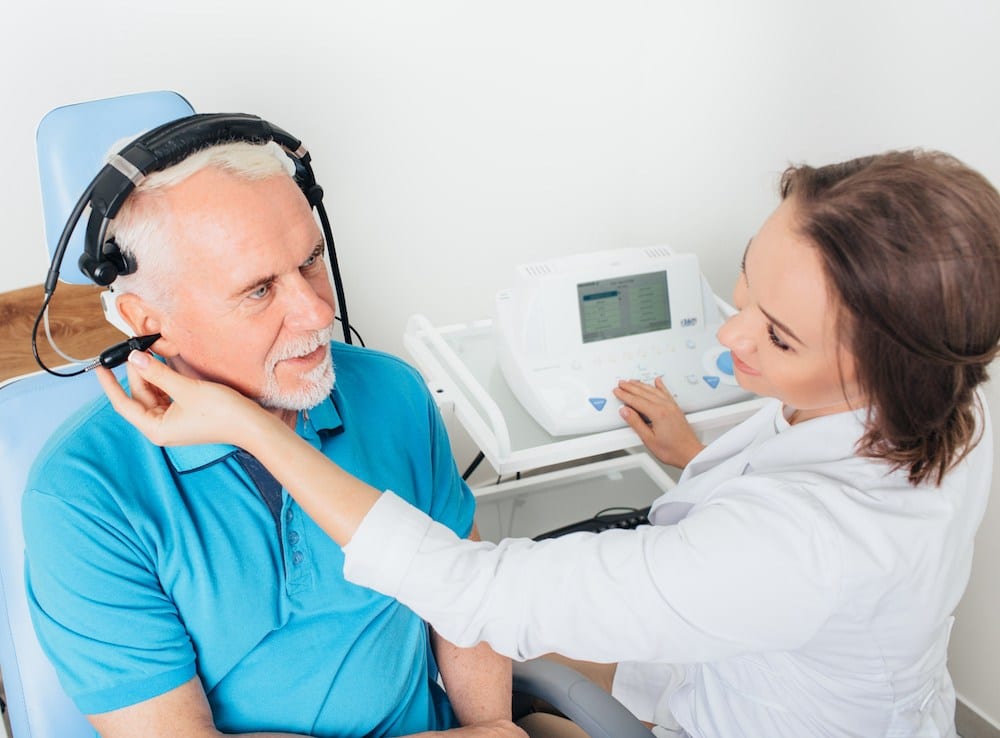
Many people delay a hearing test simply because they’re unsure what to expect. Fortunately, modern hearing assessments are simple, painless, and completely non-invasive.
At MAC Bahawalpur, Dr. Shaid Majeed performs advanced diagnostic tests that evaluate:
- Hearing ability
- Ear canal and eardrum health
- Middle ear performance
- Speech clarity and understanding
These tests help determine whether the issue is temporary, treatable through medication, or related to long-term hearing loss.
3. Untreated Hearing Problems Can Impact Overall Health
Hearing issues affect more than just your ears. Research shows that ignoring hearing loss can lead to:
- Stress and frustration
- Social isolation
- Reduced workplace performance
- Memory challenges
- Increased risk of depression
Dr Shahid Majeed stresses that treating hearing loss early not only improves hearing but also strengthens emotional and cognitive well-being.
4. Modern Hearing Solutions Are Highly Effective
Today’s hearing care technology is more advanced, discreet, and comfortable than ever. Depending on your needs, treatment may include:
- Medication
- Ear wax removal
- Hearing aids
- Therapy or counseling
- Protective strategies
With personalized guidance from Dr Shahid Majeed, patients receive tailored solutions designed to enhance clarity, comfort, and daily communication.
5. Prevention Is the Key to Healthy Hearing
Even if you’re not experiencing obvious symptoms, it’s wise to protect your hearing before issues arise. Loud music, work environments, infections, and age can all influence your hearing health over time.
A hearing doctor can help you:
- Learn proper ear care
- Identify early warning signs
- Use protective equipment
- Maintain healthy listening habits
Routine checkups help preserve your hearing and prevent unnecessary complications later on.
Conclusion
Hearing health is essential for a confident, connected, and fulfilling life. Visiting a qualified hearing doctor like Dr. Shaid Majeed at MAC Bahawalpur ensures you receive expert evaluation and customized treatment options suited to your unique needs.
Don’t wait until hearing loss becomes overwhelming — take steps today to protect and improve your hearing.
Frequently Asked Questions (FAQs)
1. What symptoms indicate that I should visit a hearing doctor?
If you struggle to hear conversations, increase your device volume often, or find it difficult to hear in noisy environments, it’s time to schedule a hearing evaluation.
2. Do hearing tests hurt or cause discomfort?
Not at all. Hearing tests are quick, simple, and completely painless.
3. What are the most common causes of hearing loss?
Aging, prolonged exposure to loud sound, ear infections, genetics, and certain medications are common causes of hearing loss.
4. Is hearing loss treatable?
Yes. Depending on the cause, treatment may involve medication, ear cleaning, hearing aids, or rehabilitation therapy.
5. How often should I get a hearing exam?
Dr. Shaid Majeed recommends yearly hearing checkups for adults, especially those over 40 or those who work in noisy surroundings.
6. Can hearing loss be prevented?
You can reduce your risk by avoiding loud noise, using ear protection, limiting earphone volume, and scheduling regular hearing checkups.